
RESEARCH RELEASE: Children and Young People Experiencing Homelessness
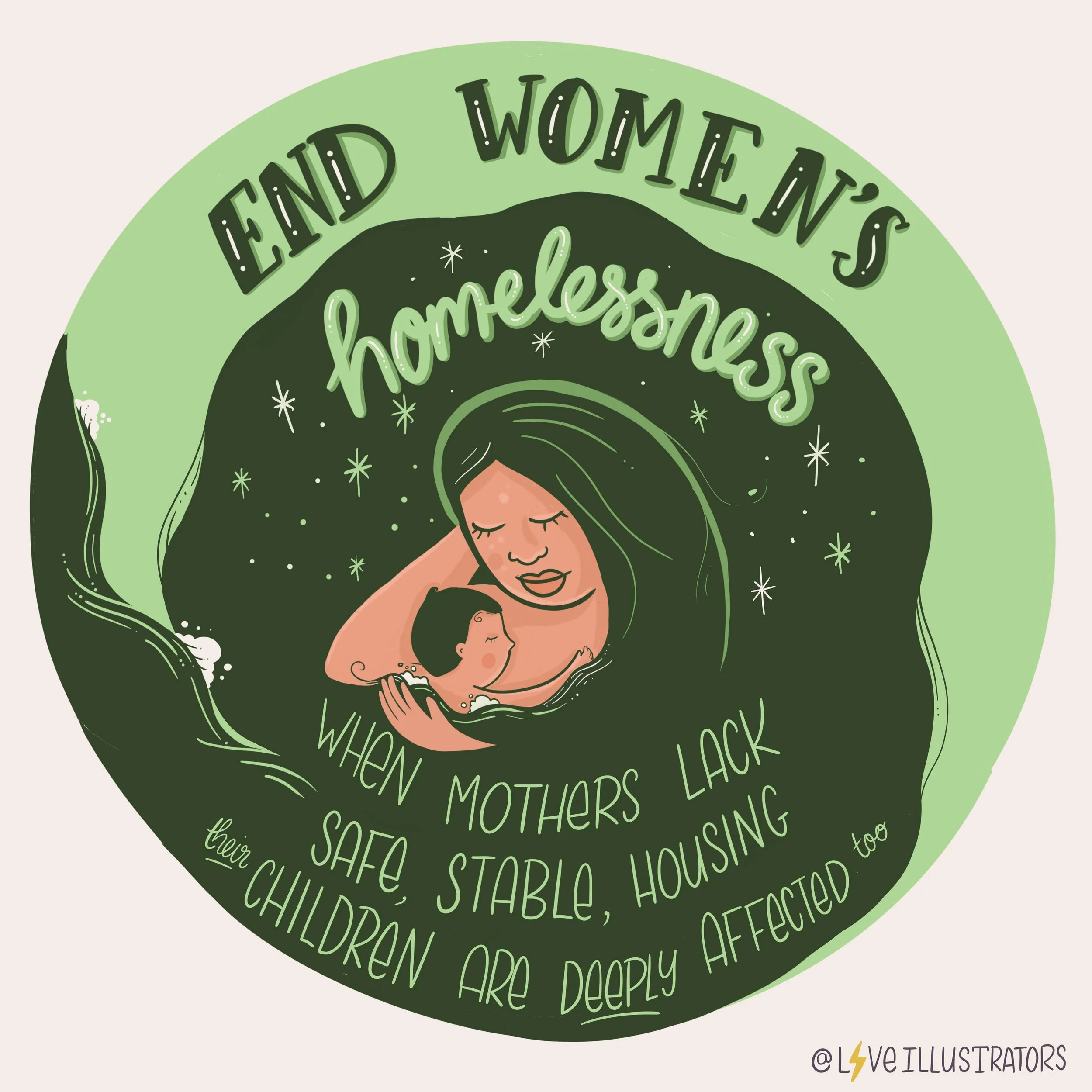
Over 33,000 children in Aotearoa are having their childhoods shaped by severe housing deprivation causing lasting harm, a new report finds
New research Children and Young People Experiencing Homelessness released today by the Coalition to End Women’s Homelessness highlights the profound impact that housing instability among women, particularly mothers, is having on children across Aotearoa.
Drawing on Integrated Data Infrastructure (IDI) data from the 2023 Census, the report by analytics firm Taylor Fry provides new insight into the experiences of 33,192 children and young people in Aotearoa who are living in severe housing deprivation. These children are living without shelter, in temporary accommodation, sharing someone else’s private dwelling, or are in uninhabitable housing.
The report also highlights the disproportionate impact on Māori and Pacific children, reinforcing the need for solutions that are led by and for the communities most affected.
The findings show that children and young people experiencing homelessness face significantly higher rates of harm across multiple areas of their lives. They are nearly three times more likely to have experienced abuse, more likely to disengage from education, are more likely to have poor health outcomes, and are more likely to interact with the justice system than other children.
The report also found that children under five experiencing homelessness are less likely to be connected to foundational services such as primary health organisations and early childhood education, and are significantly more likely to experience preventable hospitalisations, including respiratory illness and preventable disease.
Dr Jo Cribb, Chair of Wellington Homeless Women’s Trust Te Whare Nukunoa and Coalition to End Women’s Homelessness member, says behind these numbers are tens of thousands of children growing up without the safety, stability, and a sense of home that every child has a right to.
“These are babies, toddlers, and young people who are carrying the weight of housing insecurity at a critical stage of their development, with consequences that can shape the rest of their lives,” she says.
Dr Cribb says the report findings point to a deeper issue.
“You cannot separate children experiencing homelessness from women’s homelessness. When mothers don’t have access to safe, stable housing, their children are directly impacted.”
The report also highlights strong intergenerational patterns, including higher rates of parental imprisonment and mental health service use among families experiencing homelessness.
Dr Cribb says that these are not isolated issues.
“The issues these children face reflect systems that are not working together to support women and their whānau early enough, " she says.
The Coalition to End Women’s Homelessness and its supporters have long advocated for responses that centre women, as a way to prevent homelessness for children.
Co-Lead of the Coalition, Victoria Crockford, says the findings must shift how homelessness is understood and addressed.
“If we are serious about reducing child homelessness, we need to start by supporting the women who are holding families together, often in incredibly difficult circumstances. We know we have the solutions to help solve this problem. We need housing policy and housing options that meet the specific needs of women and their children,” she says.
The Coalition is calling on the government to improve access to Tiriti-based, gender-disaggregated data so that policymakers and housing and social service providers alike can base their investment decisions on a solid evidence base - something which does not happen consistently anywhere in the country right now.
They are also calling on the government to use that data to routinely use gender analysis in their responses to homelessness and to develop a women’s housing strategy that better protects women and their children who are disproportionately experiencing homelessness and hardship.
“We know what works. The challenge now is to act according to the evidence so that no child, and no mum, is left without a safe place to call home,” Ms Crockford says.
ENDS
Acknowledgements
Ngā mihi to the MAS Foundation for their support through a Tūmatakāhuki Community Koha grant; Jo Cribb for her leadership; Taylor Fry for undertaking this research; and the League of Live Illustrators for their generous creative contribution to this kaupapa.
Media contact
Ellie Campbell, Communications Manager, Coalition to End Women’s Homelessness
Ellie@CEWH.org, 027 22 22 708
