
Cure Kids’ fifth State of Child Health report: Poor housing drives hospitalisations for 60,000 Kiwi children each year
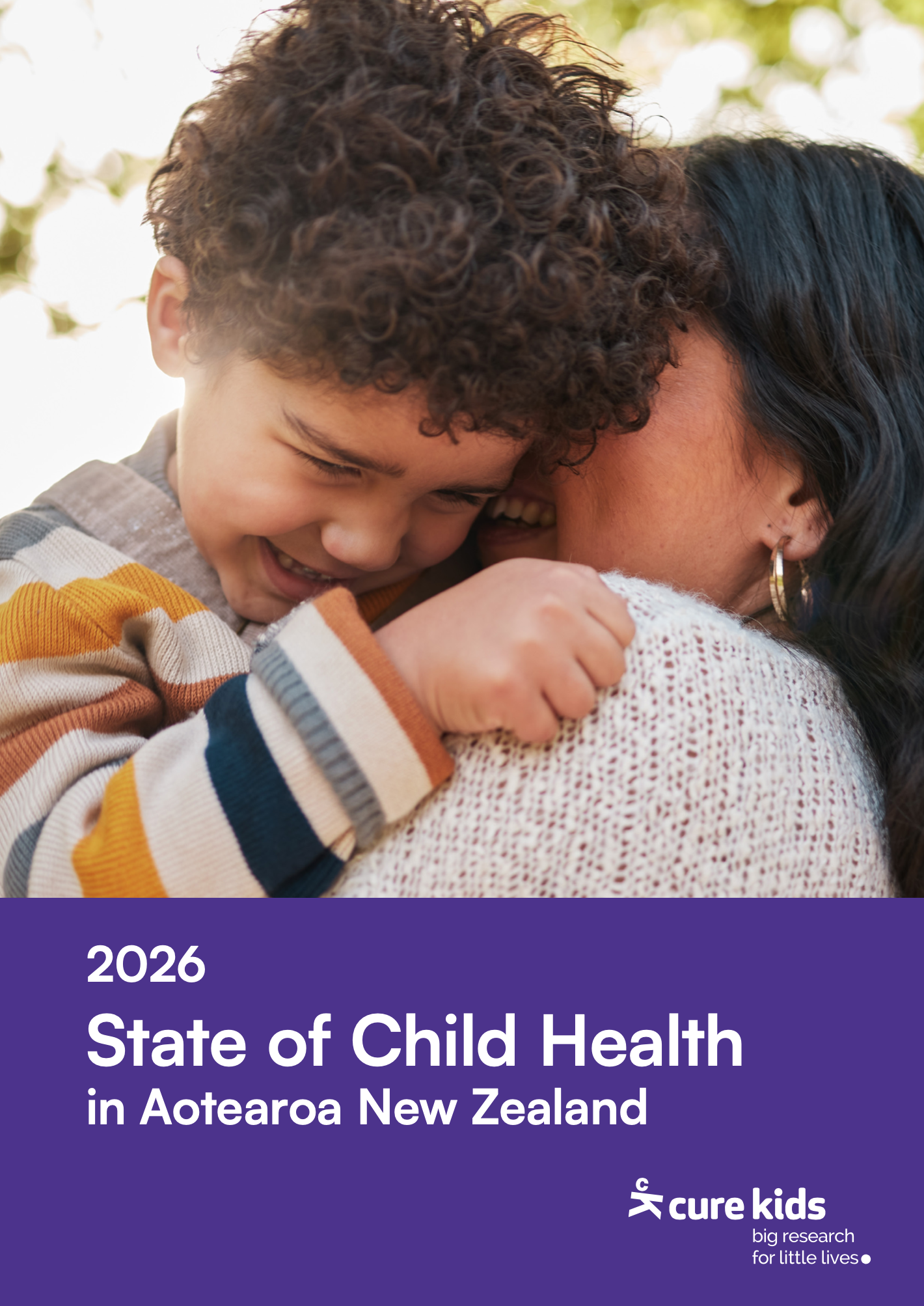
Cure Kids’ State of Child Health report warns that 60,000 children in New Zealand are admitted to hospital each year with preventable diseases, with respiratory conditions increasing by 60% since 2000.
Poor housing is a major contributing factor. Overcrowding, cold or damp homes, and other environmental risks disproportionately affect children living in socioeconomically deprived communities, leading to higher rates of hospitalisation - particularly among Pacific, Māori, and MELAA (Middle Eastern, Latin American, and African) children. Infants bear the heaviest burden, with conditions like bronchiolitis and asthma placing children at risk of long-term lung disease.
Improving access to affordable, warm, dry, and suitably sized homes for families could reduce hospitalisations for respiratory conditions by at least 23%, potentially preventing over 7,900 admissions in 2024 alone. Read more about the report here on RNZ.
Safe, secure housing is essential for children’s health and the wellbeing of their whānau. Across Aotearoa, it is clear that children are bearing the heaviest burden of homelessness.
CEWH currently has a research project underway using the Stats NZ Integrated Data Infrastructure (IDI). The research question is: “What are typical government interactions that homeless children experience and how do these differ from non-homeless children?” We look forward to sharing more about this soon
