
Honouring Caitlin, calling for change
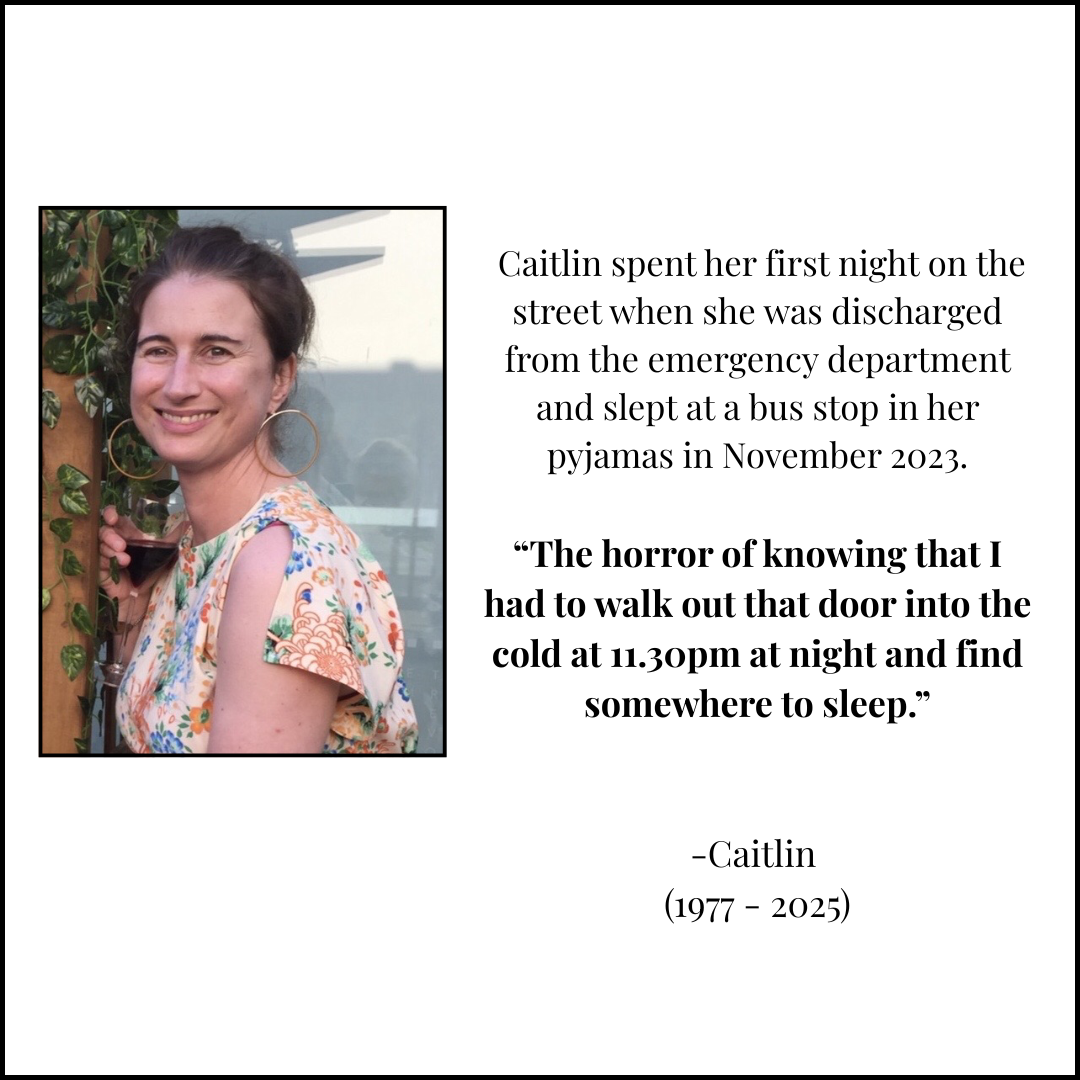
Recently RNZ has shared the life of Caitlin McDonald, who experienced homelessness in Christchurch during the final years of her life.
Caitlin’s mum Wendy, tells RNZ that Caitlin - “a beautiful soul who was not quite of this world,” suffered a preventable, premature death, aged 47.
“Caitlin died not just homeless, but Caitlin died from homelessness,” Wendy says.
Wendy says that her daughter’s life, and the lives of others experiencing homelessness, need to be seen and heard.
“The scourge of homelessness can and must be addressed. I’m sure - and hope - that homelessness keeps on being in the headlines until the government responds by doing something decisive, humane and effective,” she says.
Wendy has also shared the impact move-on orders would have had on Caitlin, stating "my daughter would have died a quicker and nastier death homeless, had the 'move-on orders' been in place then. She was already 'moved on' to more dangerous places," in her written submission on the Summary Offences (Move On Orders) Amendment Bill.
Wendy urges the government to better support rough sleepers with police intervention to help people into homes rather than push them aside.
Wendy Proffitt’s submission
Our position on the bill is informed by the Papatūānuku Paradigm: A Gender Analysis Tool from a Te Ao Māori Lens to End Women's Homelessness, developed by Dr Kathie Irwin. The tool provides a framework for assessing policy through Te Ao Māori.
When viewed through this lens, the proposed Bill fails - rather than addressing the structural causes of homelessness, it criminalises those living with the consequences of systemic housing failure. It prioritises enforcement over care, displacement over housing, and punishment over prevention.
Wendy says every single person is of value.
“We all deserve a home, a roof over our heads, to be cared for, to be valued, to be respected," she says.
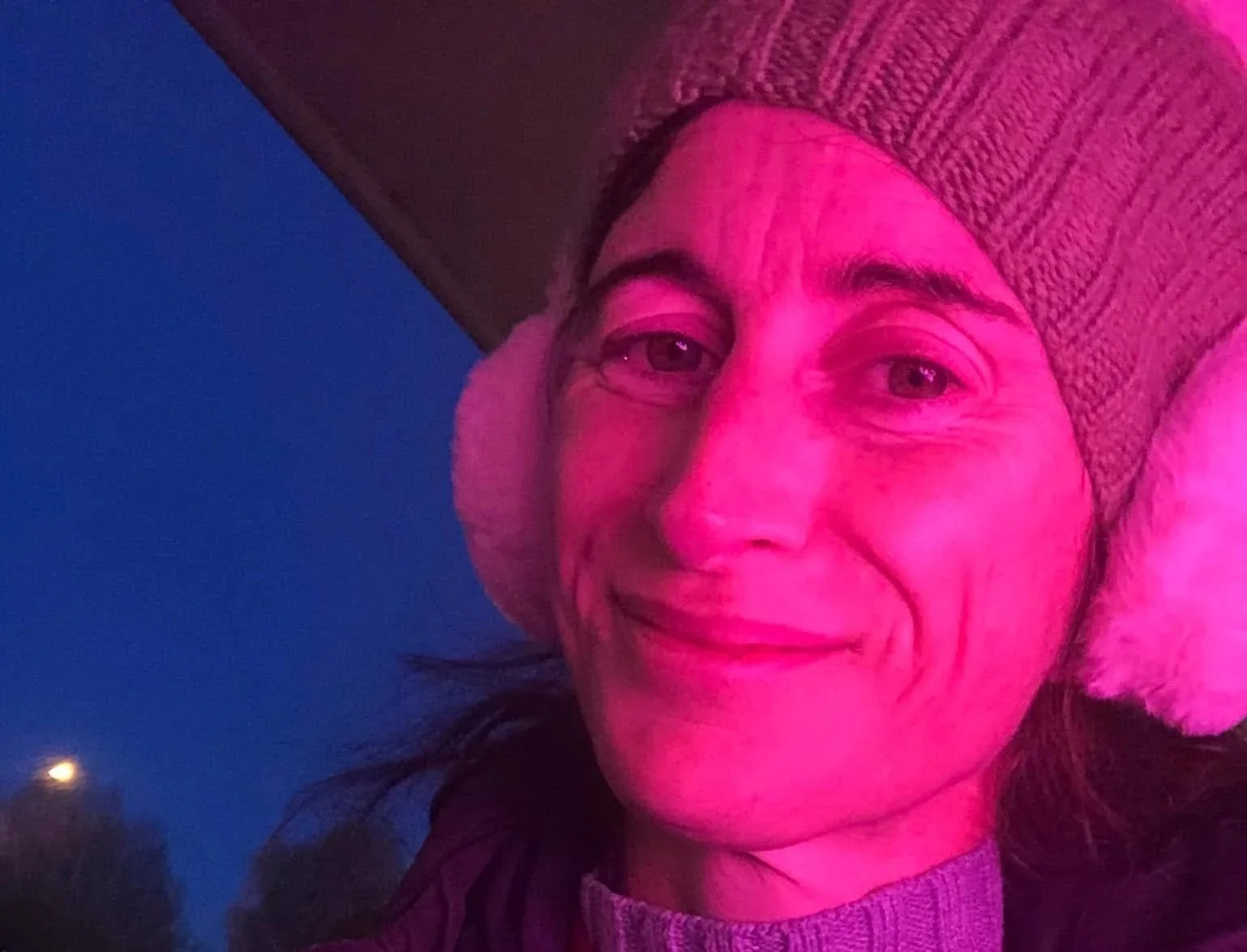
We acknowledge Caitlin and all those who have lost their lives while experiencing homelessness, and support the whānau who continue to hold their memories and grieve their loss.
We acknowledge and support Wendy for sharing Caitlin’s life, her memories, and the realities she faced.
If you want to take action, please sign and send the CEWH Open Letter, which calls for a national, Te Tiriti-based strategy to end women’s homelessness. Find it here.
