
Research Symposium Paper- The Impact of Severe Housing Deprivation on Women
In March this year, the Coalition to End Women’s Homelessness and the University of Otago – Ōtākou Whakaihu Waka hosted a research symposium which highlighted key research and insights into the impact of severe housing deprivation on women - particularly women experiencing homelessness, and the implications for their children.
We have prepared a symposium paper which is a record of the research, kōrero and reflections shared on the day.
CEWH Kaihautū Dr. Kathie Irwin and Project Director Vic Crockford reflected on the timing of the symposium - coinciding with global upheaval and a domestic policy environment of “move-on” orders - describing the symposium as a gathering called by ancestors, grounded in past and future mahi.
The symposium was a lightning bolt for everyone involved - together we laughed, cried, learned and felt inspired.
There was a clear call for more Tiriti-centred, gender-disaggregated data and research, practical application, and solutions for women experiencing severe housing deprivation.
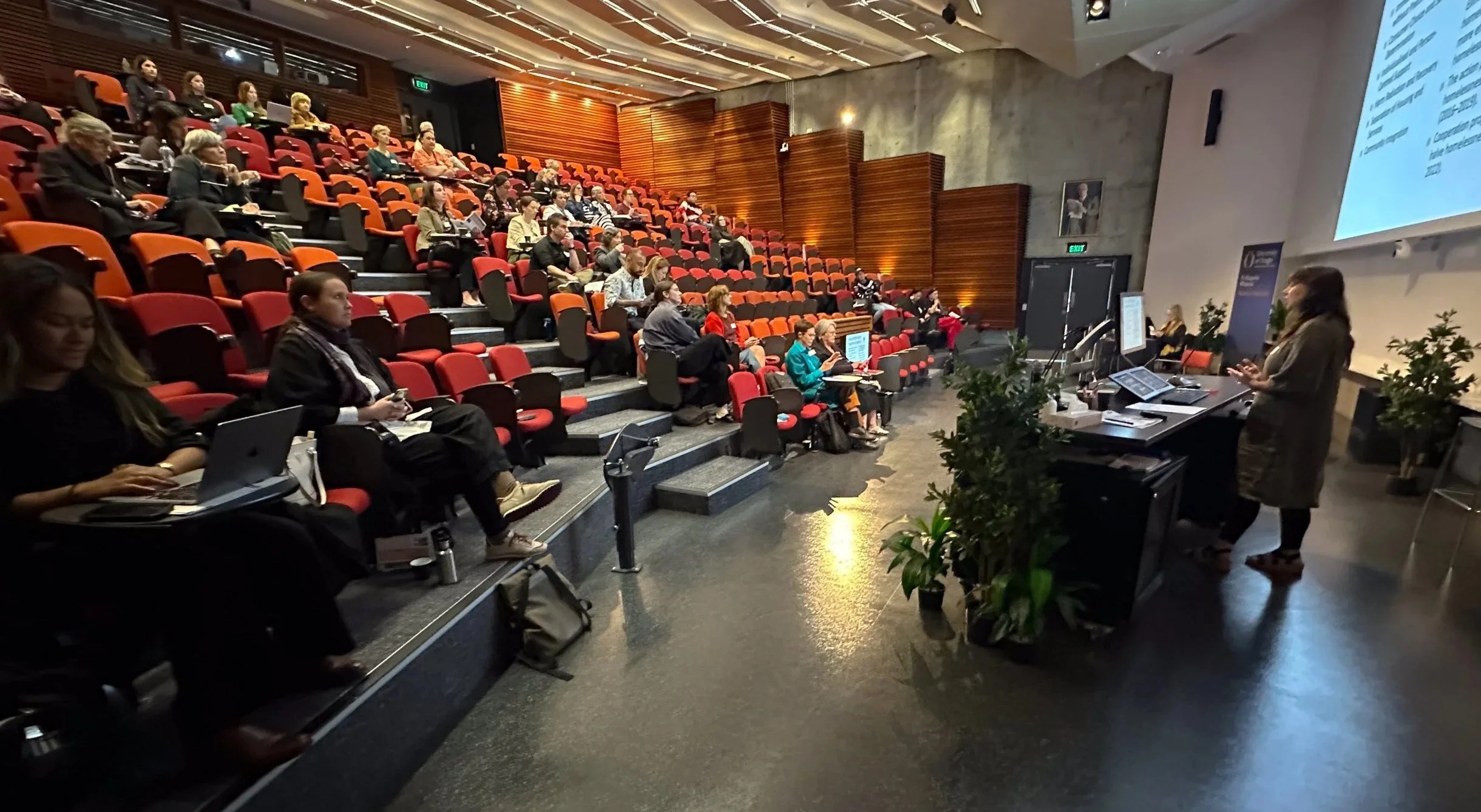
Participants - providers, researchers, council representatives, rangatahi services, and advocacy organisations - shared insights that inspired further learning, action, and collaboration.
He mihi aroha ki ngā kaikōrero me rātou rōpū. The symposium featured inspiring presentations from: Te Whāriki Manawāhine o Hauraki, Wellington City Council, Manaaki Rangatahi with Ma Te Hurururu and Purangakura, University of Otago, Housing First Auckland and Coalition to End Women’s Homelessness.
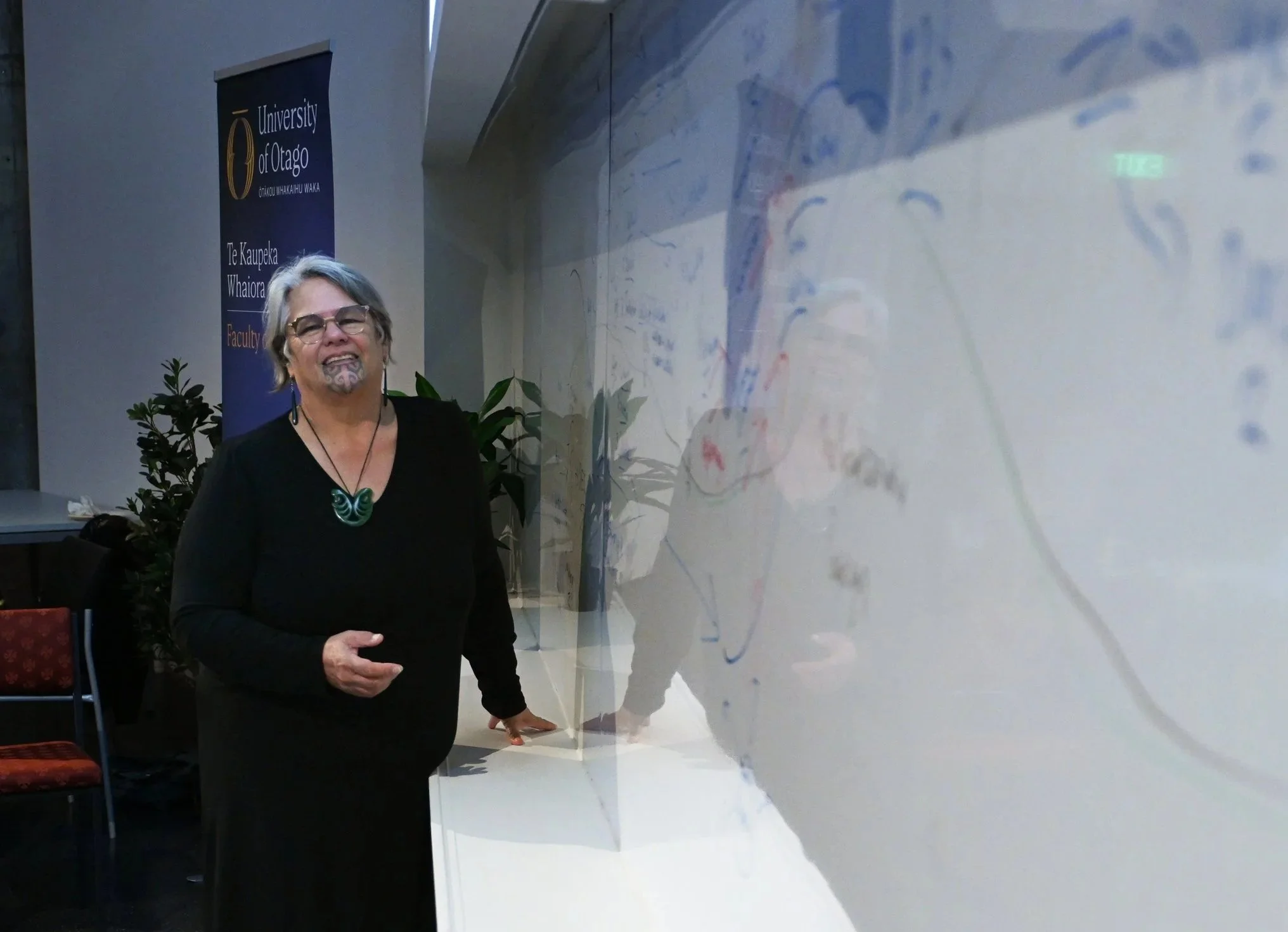
CEWH Kaihautū Dr Kathie Irwin brought the symposium together through her presentation of the Papatūānuku Paradigm - a gender analysis toolkit developed from a Te Ao Māori lens. Kathie linked today’s housing crisis back to the long history of decisions that have shaped it.
Grounded in te orokohanga and the central place of Papatūānuku, Kathie reframed wāhine Māori homelessness as more than a policy issue - it’s a disconnection from whenua, whakapapa, and atua wāhine. By tracing the clash between Māori and colonial systems, Kathie showed how policy and law have created the conditions that leave wāhine Māori disproportionately unhoused and unsafe on their own whenua.
Kathie’s key message was clear. “This isn’t accidental - it’s been designed over time, and it can be redesigned with solutions grounded in Te Ao Māori,” she said.
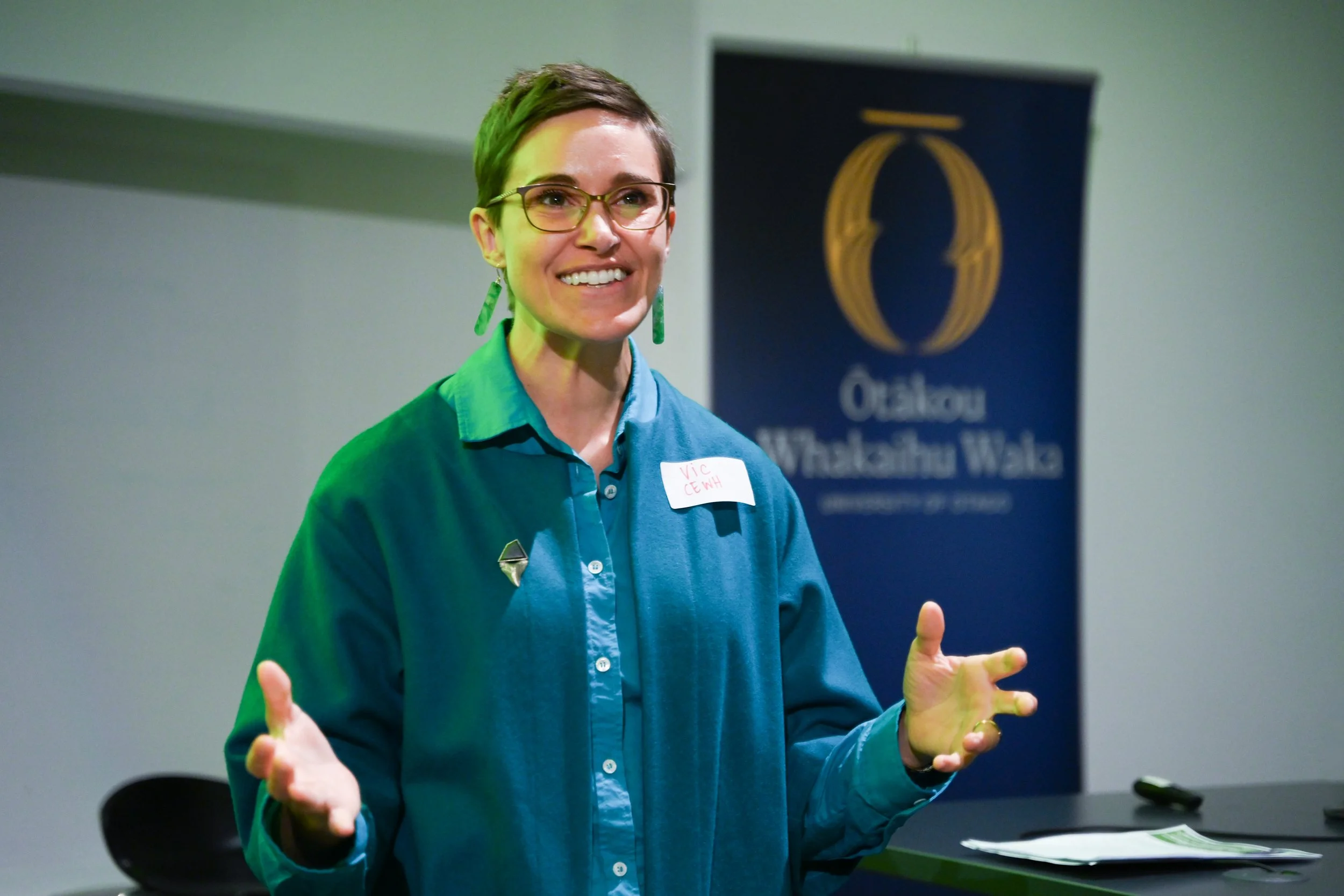
During the closing session of the research symposium, Vic Crockford reflected on the theme of weaving which became apparent on the day - the bringing together of qualitative and quantitative approaches, of lived experience and academic research, of local and national perspectives. She acknowledged the role of all those who do the weaving work in this fragmented sector.
Vic says that the weaving here is delicate.
“The sector needs data capability and data sovereignty simultaneously. It needs the courage to count - and the wisdom to ensure that counting serves the people being counted.” she says.
