
July & August 2026 pānui
Kia ora koutou,
We acknowledge the passing of Caitlin McDonald in 2025, and the recent passing of Hayley.
Caitlin died after experiencing homelessness in Christchurch for two years. Hayley died in Christchurch Hospital after being found sleeping rough beneath New Brighton Pier in freezing conditions.
Their deaths are a devastating reminder that homelessness isn’t simply about being without a home - It’s dangerous, and it can be deadly.
Dr Bruce Arroll, a GP at Auckland City Mission’s Calder Centre, told RNZ in its recent investigation into the health impacts of sleeping rough that the Centre’s patients face a “deadly combination” of factors.
The Calder Centre has around 2,300 patients, most of whom have experienced homelessness, including sleeping rough. The Centre records a death approximately every fortnight, and the average age of those who die is 55 for men and 54 for women.
“That’s the stress of being homeless,” Dr Arroll said. “It’s the sickest population I’ve ever worked with.”
In June, we released our research,Children and Young People Experiencing Homelessness, which found that more than 33,000 children and young people in Aotearoa are experiencing homelessness. The research highlights the lasting impacts of homelessness on children and young people, including their increased risk of poor health outcomes.
Just weeks after our research was released, many parts of Aotearoa experienced record cold temperatures, and at the same time, organisations across the sector and many individuals spoke out against the proposed move-on orders. In freezing weather, the prospect of further displacing people who have nowhere safe to go is deeply concerning.
We acknowledge Caitlin and Hayley, and all those who have lost their lives while experiencing homelessness. We hold their whānau in our thoughts and support those who continue to carry their memories and grieve their loss.
We continue to call for responses to homelessness that protect dignity, mana and right to safety – and that address the conditions that leave women and their children without a safe place to call home.
Nāku noa,
Kathie Irwin and Victoria Crockford
Kaihautū and Project Director
Coalition to End Women’s Homelessness
WAKA HUIA
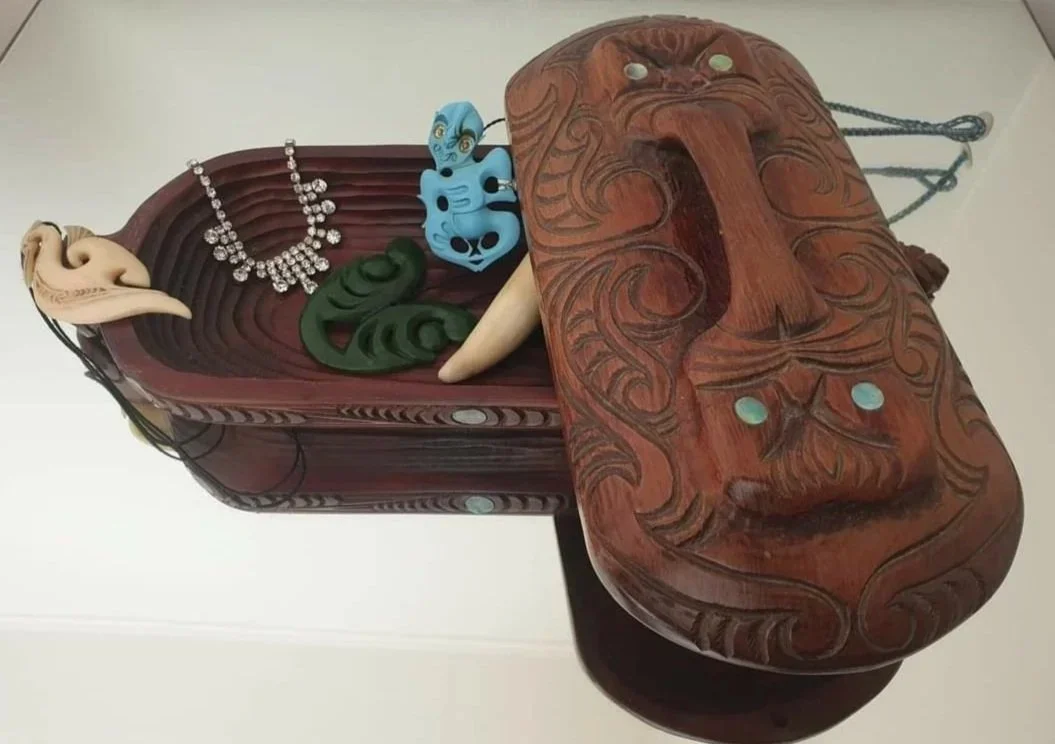
Kathie Irwin’s personal Waka Huia.
Honouring Caitlin
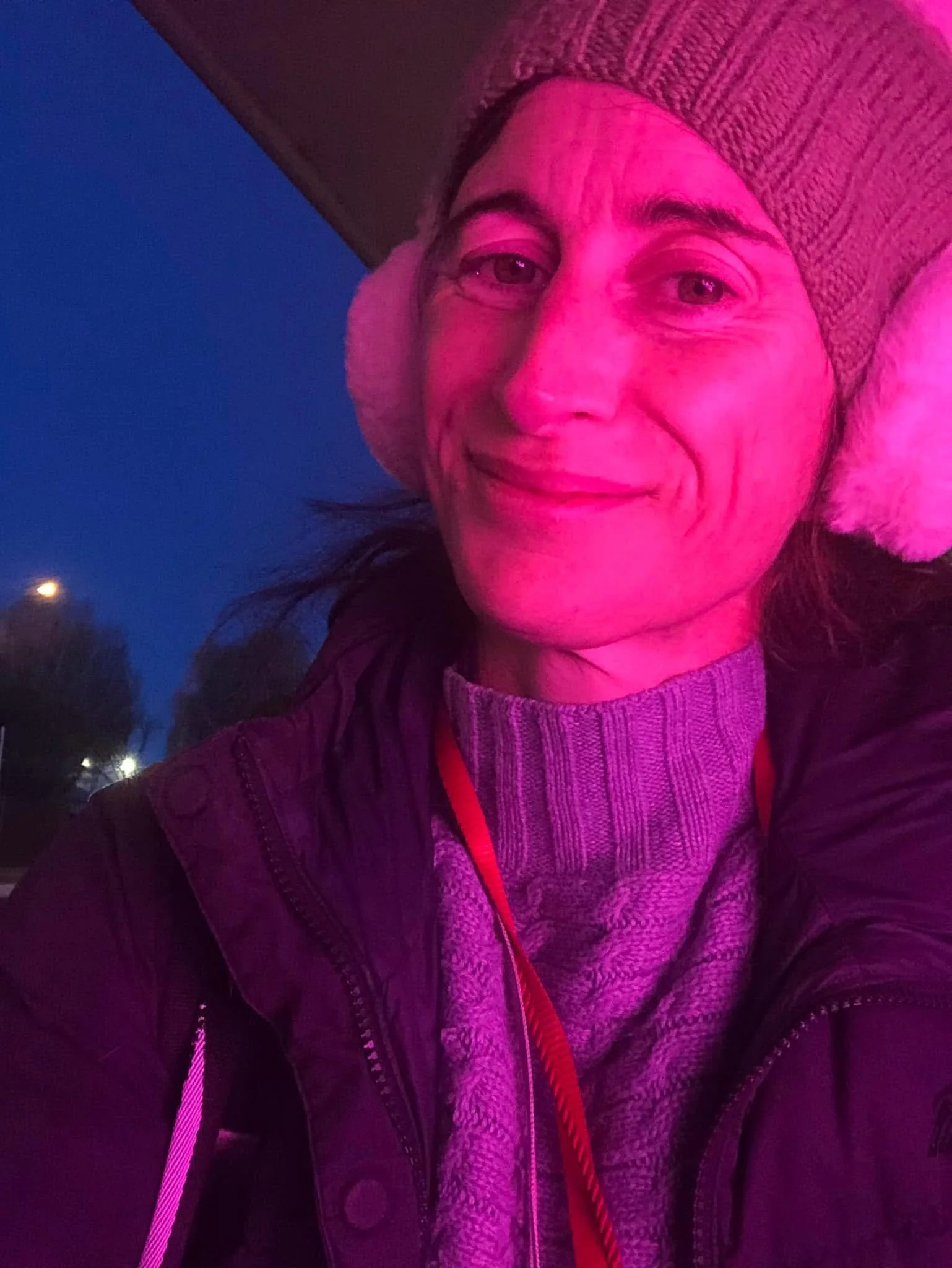
Last month, the life of Caitlin McDonald, who died after two years experiencing homelessness in Christchurch, was shared through a powerful series of stories on RNZ. It’s a deeply human account of her experience of homelessness in the final years of her life.
Her mother Wendy shared Caitlin’s life and the circumstances surrounding her death, describing it as a preventable tragedy - not only a death while homeless, but a death shaped by homelessness.
Over the past few months, we have quietly stood alongside Wendy as she sought answers about the circumstances that led to Caitlin's death. Piece by piece, she has worked to understand the decisions and actions across agencies, including MSD, Police and Public Trust, that left Caitlin unsupported and often without a safe place to stay.
Wendy says Caitlin's death reflects a failure across multiple systems and she is convinced her daughter would still be alive had the Government not tightened the eligibility criteria for emergency housing in 2024.
Wendy also shared the impact that move-on orders would have had on Caitlin, stating "my daughter would have died a quicker and nastier death homeless, had the 'move-on orders' been in place then. She was already 'moved on' to more dangerous places," in her written submission on the Summary Offences (Move On Orders) Amendment Bill.
Wendy remembers Caitlin as “a beautiful soul who was not quite of this world.”
We acknowledge Caitlin and all those who have lost their lives while experiencing homelessness, and we acknowledge and support Wendy for sharing Caitlin’s life, her memories, and the realities she faced.
Read and listen to the RNZ series here
‘Christchurch is my tomb’: From homelessness to hopelessness
Before her death, Caitlin McDonald needed a ‘home and wrap-around care’, not rejection
‘She should still be alive’: Caitlin McDonald’s final weeks
Welcoming Te Rina Porou: our Kaupapa Kaimahi
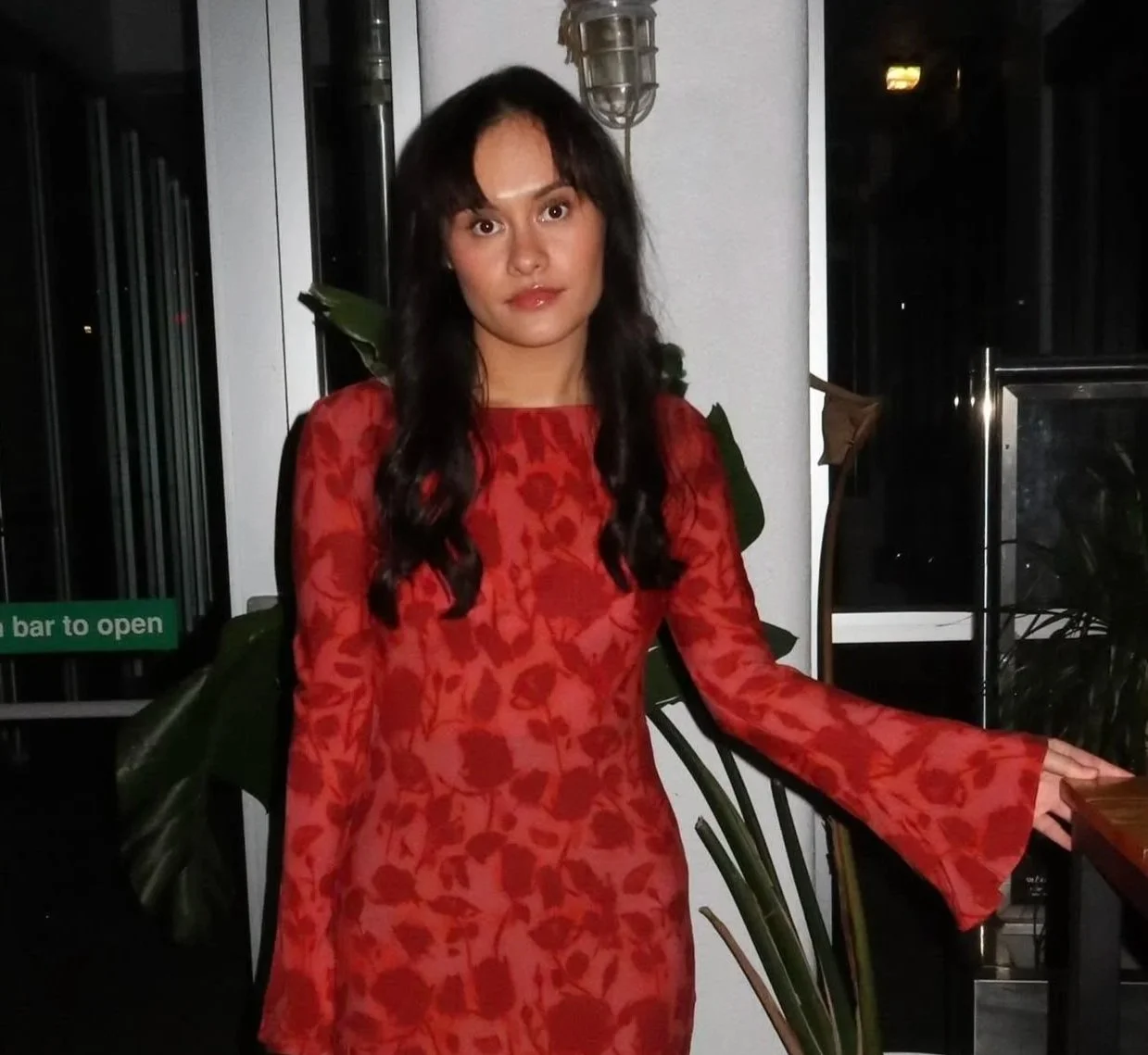
We are delighted to welcome Te Rina Porou to the Coalition to End Women’s Homelessness as our Kaupapa Kaimahi. Te Rina will be supporting CEWH Kaihautū, Dr Kathie Irwin.
Te Rina Porou (Ngāti Tūwharetoa, Ngāti Porou, Te Āti Haunui-a-Pāpārangi, Ngāti Kahungunu ki Te Wairoa, Ngāti Pāhauwera, Ngāti Apakura, Ngāi Tāmanuhiri, Rongowhakaata, Te Aitanga-a-Māhaki, Ngāti Rakaipaaka) is a communications practitioner with a passion for kaupapa Māori, storytelling, and creating meaningful change for our people.
Raised in Tūrangi beneath Pīhanga and alongside the Tongariro awa, Te Rina holds a Bachelor of Communication, majoring in Media Studies and Film. Her work spans strategic communications, iwi engagement, climate change, and kaupapa Māori initiatives, with a focus on making complex ideas accessible and meaningful for whānau, hapori, and communities.
Te Rina is passionate about amplifying the voices of wāhine Māori and supporting research that strengthens intergenerational wellbeing and rangatiratanga.
We welcome Te Rina and the fabulous contribution that we know she will make.
Research Symposium Paper: kōrero, research and calls for change
Earlier this year, we co-hosted a research symposium with the University of Otago - Ōtākou Whakaihu Waka, exploring the impact of severe housing deprivation on women - and the implications for their children.
Participants - providers, researchers, council representatives, rangatahi services, and advocacy organisations - shared insights that inspired further learning, action, and collaboration.
It was an incredibly powerful day, during which a clear and resounding call emerged: we need more Tiriti-centred, gender-disaggregated data, alongside practical solutions that work for women experiencing homelessness.
We have produced a symposium paper which is a record of the research, kōrero and reflections shared on the day. Follow the link here.
CHA Conference Workshop: putting The Papatūānuku Paradigm into practice
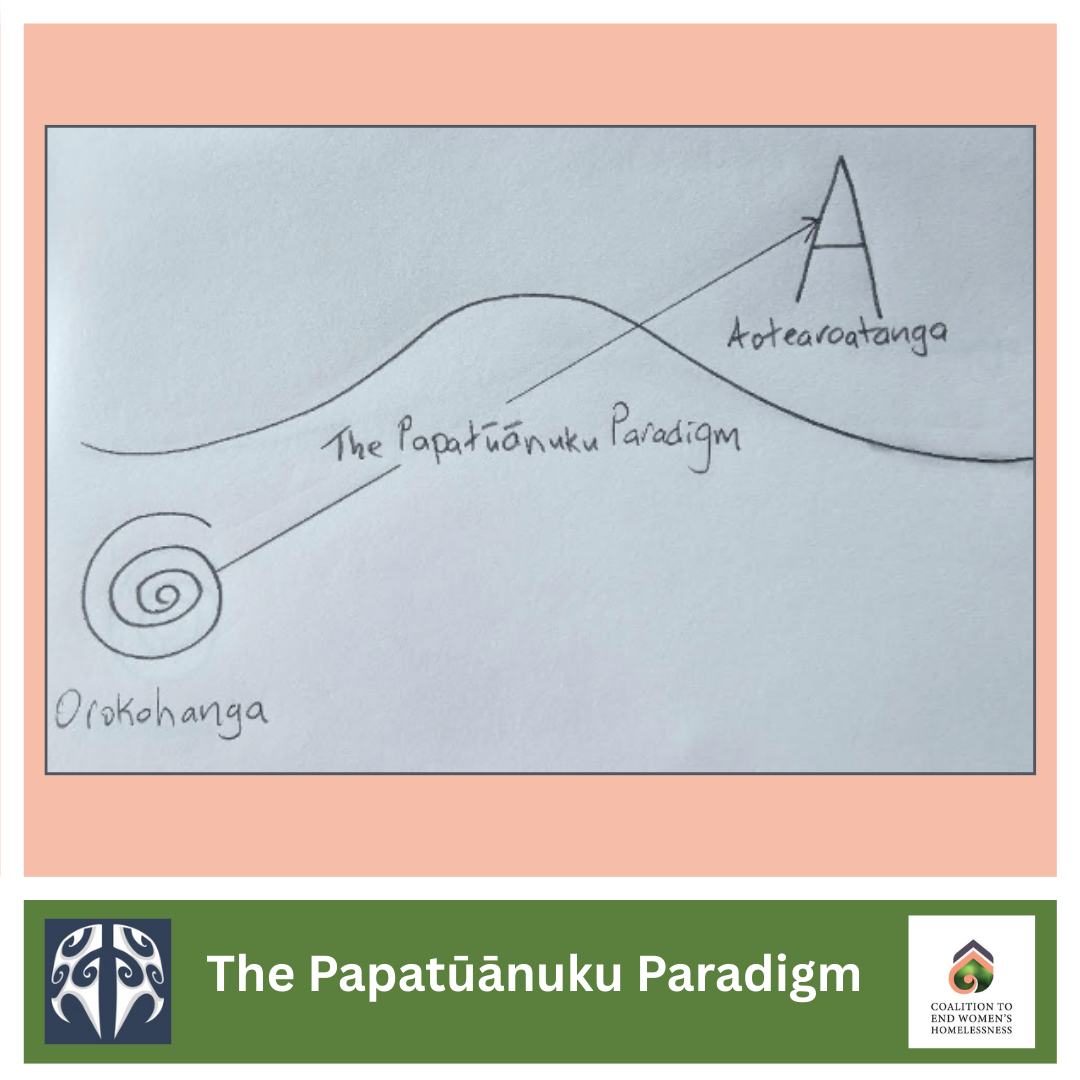
At the 2026 CHA Conference, CEWH Project Director Vic Crockford and Collective Impact Lead Amanda Kelly facilitated a workshop exploring how the Papatūānuku Paradigm can support a Te Ao Māori gender analysis lens in practice. The Papatūānuku Paradigm is a gender analysis with a Te Ao Māori lens toolkit, developed by Dr Kathie Irwin.
The session drew on reflections and insights from Communities of Practice with Te Whare Tiaki Wāhine Refuge and Auckland City Mission – Te Tāpui Atawhai.
Workshop participants explored how the Papatūānuku Paradigm can support reflection on systems, policies, services, and initiatives through a Te Ao Māori gender analysis lens, using reflective questions from the toolkit, including:
Whose worldview informs the design of your solution? Te Tiriti or The Treaty?
How does your current or potential project address inequity experienced by women, especially wāhine Māori?
What shifts, tensions, or possibilities are emerging as you reflect on this mahi?
Team members from Auckland City Mission – Te Tāpui Atawhai and Te Whare Tiaki Wāhine Refuge shared their experiences of applying a Te Ao Māori gender analysis lens in their mahi through the Communities of Practice.
The session closed with a reminder that systems can be redesigned to end women’s homelessness, and that we all have a role to play in creating change.
Find out more about the Papatūānuku Paradigm here
Tīhei Wāhine Ora: Wāhine from Gang Whānau Healing Intergenerational Trauma
On August 5th, CEWH Kaihautū Dr Kathie Irwin attended the launch at Parliament of Tīhei Wāhine Ora: Wāhine From Gang Whānau Healing Intergenerational Trauma- a research book by Paora Moyle. The work was funded by the Health Research Council of New Zealand and carried out in collaboration with Wāhine Toa, the only women’s chapter of the Mongrel Mob in Aotearoa, and Te Whāriki Manawāhine o Hauraki (Te Whāriki).
Tīhei Wāhine Ora: Wāhine From Gang Whānau Healing Intergenerational Trauma is a research book by Paora Moyle. It documents what wāhine Māori connected to gang whānau know about healing, leadership, and securing different futures for their mokopuna. The book draws on interviews and focus groups with 20 wāhine across Aotearoa and Australia, conducted over two years.
Kathie said she had to pull off the highway and stop twice on her way home from the launch event, to process.
“To look back over the day and the conversations. The projects. The intersections. The overlapping, the gaps. And to think,” she said.
Kathie reflected that the work is:
epistemologically located, at the nexus of rangatiratanga and symbolic violence;
historically grounded, across generations, creating compound interest and privilege from structural inequity for some and the compounding, intersecting, negative impact of colonisation, capitalism and patriarchy for others;
impacted by the role of the machinery of government as a vehicle of symbolic and structural violence;
legacy work, connecting with the intergenerational pūrākau of our whānau, hapū and iwi.
We acknowledge the wāhine who shared their kōrero, experiences and aspirations to inform this important mahi. Their voices, leadership and lived knowledge are at the heart of this research. We also acknowledge Paora Moyle, Wāhine Toa, Te Whāriki Manawāhine o Hauraki, and all those who contributed to bringing this work together.
Download Tīhei Wāhine Ora: Wāhine From Gang Whānau Healing Intergenerational Trauma PDF here.
In July, CEWH hosted a Lunchtime Learning webinar which explored Tīhei Wāhine Ora: Wāhine from Gang Whānau Healing Intergenerational Trauma. While the webinar was not recorded, Paora shared their reflections following the webinar. Paora's reflections capture the courage, wisdom and leadership of wāhine who have shared their stories and expertise and the importance of creating the conditions for their voices to be heard. Find out more here.
Big Sleepout raises over $100,000 for homelessness support in Christchurch and Blenheim
Christchurch Methodist Mission Executive Director and CEWH Steering Committee member Jill Hawkey highlighted the urgency of the homelessness crisis at the inaugural CMM Big Sleepout, held in Christchurch and Blenheim on 13 August.
The event brought together business, community and local leaders to raise awareness of homelessness and funds for support services; raising over $100,000.
Jill described homelessness as “a quieter disaster, unfolding in cars, garages, motels, and on our streets”, and emphasised that housing is “the foundation of health, dignity, and hope”.
We acknowledge Jill and her team, the event organisers, participants and supporters in Christchurch and Blenheim who came together to make the event happen.
Listen to Jill on RNZ here, the morning after the event.
Acknowledging whānau facing the impacts of severe weather
Our thoughts are with the communities and whānau across Aotearoa who have been affected by this winter's severe flooding. Many are once again facing damaged homes, evacuations, road closures and the difficult task of cleaning up and rebuilding after repeated extreme weather events. As climate change increases the frequency and intensity of these events, the impacts extend beyond damaged infrastructure to housing insecurity, displacement and homelessness. Read our blog exploring the connection between climate change and homelessness.
International Indigenous People’s Day
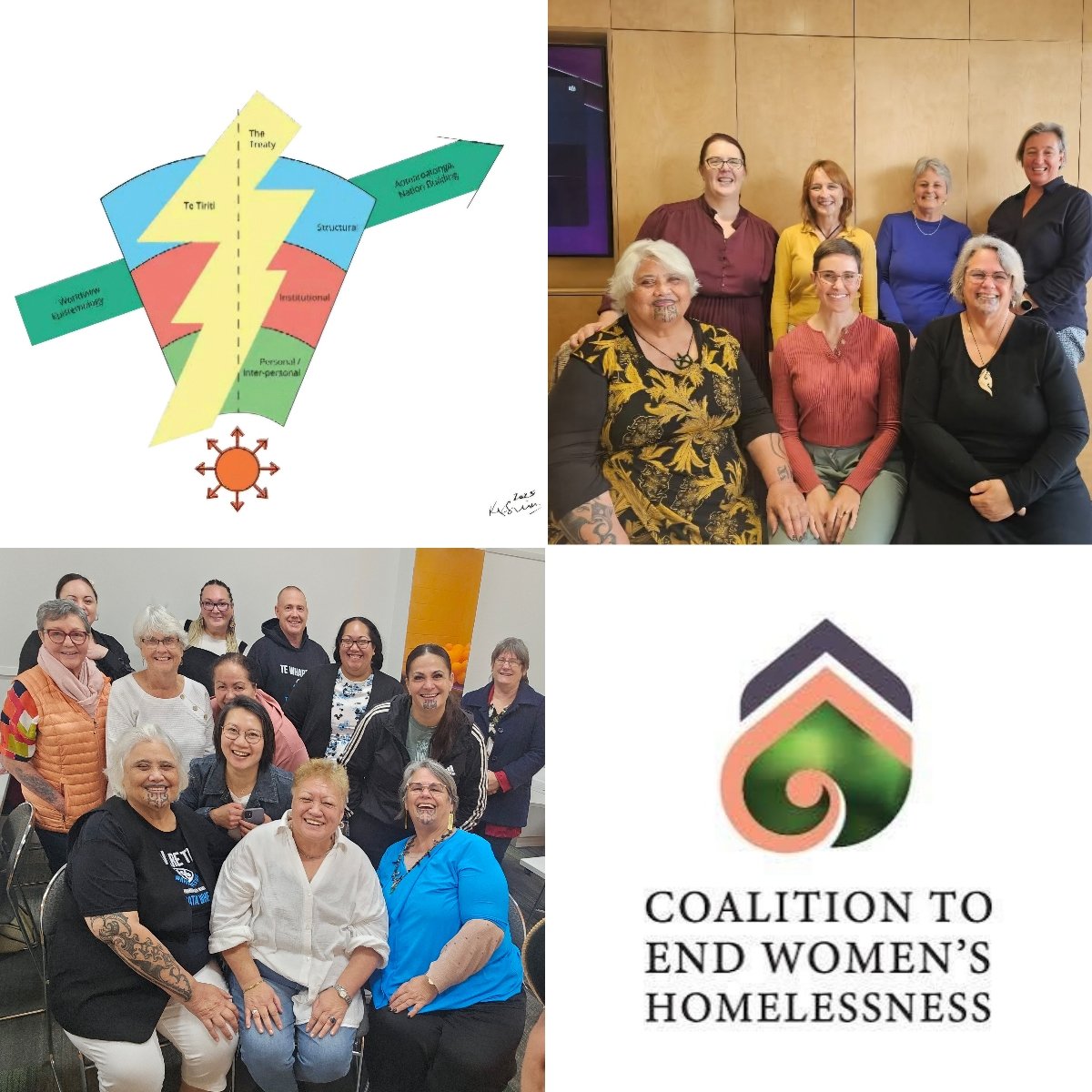
International Indigenous Peoples Day 2026 on August 10th coincided with the one-year anniversary of Dr Kathie Irwin taking up the role of Kaihautū at Coalition to End Women’s Homelessness.
In her latest blog, Kathie looks back over the journey that brought her to CEWH, and a year of taking The Papatūānuku Paradigm – a Te Ao Māori approach to gender analysis – from theory to praxis.
She also looks at what our research tells us about women, children and young people experiencing homelessness in Aotearoa, including the disproportionate impact on Māori.
“Too many wāhine Māori are houseless on our own whenua. On International Indigenous Peoples Day, that contradiction should stop us in our tracks.”
Kathie highlights that the structural inequality that creates women’s homelessness has been designed into public policy over decades.
“It is our mission at the Coalition to End Women’s Homelessness to help design it out.”
Read Kathie’s blog here
Kathie Irwin discusses women’s homelessness on Senior Focus
CEWH Kaihautū Dr Kathie Irwin recently spoke with Anne Marie-Coury on Senior Focus about women’s homelessness in Aotearoa. They discussed CEWH’s research into women’s and children’s homelessness, the disproportionate impact on Māori women and children, and the need for Tiriti-centred, gender-disaggregated data to better understand and respond to women’s homelessness in Aotearoa.
POLICY AND POLITICAL INSIGHTS
Summary Offences (Move On Orders) Amendment Bill
In July, CEWH made an oral submission on the Summary Offences (Move On Orders) Amendment Bill.
CEWH Project Director Vic Crockford told the Select Committee that people experiencing homelessness need responses that uphold their dignity and mana, not measures that further displace them.
“We are here because we believe that we as New Zealanders must look to our best and strongest instincts for care and manaakitanga in order to end homelessness and it is our firm belief that the move on orders as they are proposed represent anything but that best instinct.”
CEWH Collective Impact Lead Amanda Kelly said that from a gendered perspective CEWH is extremely concerned about how this proposed bill will impact women experiencing homelessness, in particular wāhine Māori who make up around one third of the 57,000 women who are experiencing homelessness across this country.
“We are also deeply concerned about the impact that this will have on their children,” she said.
“Move on orders risk making women’s homelessness even more invisible by pushing women to the margins rather than bringing women closer to the support and safety they may need,” Amanda said.
Our Select Committee written submission is framed using questions from the Papatūānuku Paradigm - a toolkit designed by Dr Kathie Irwin to support and strengthen the work of CEWH and the wider sector in addressing the complex issue of women’s homelessness.
When viewed through this lens, the proposed Bill falls short. Rather than addressing the structural causes of homelessness, it criminalises those living with the consequences of systemic housing failure. It prioritises enforcement over care, displacement over housing, and punishment over prevention.
CEWH urges the government to focus on long term solutions that will end women’s homelessness.
He iti te mokoroa, nāna i kati te kahikatea
The grub may be small, but it cuts through the kahikatea
Vic, Kathie, Amanda, Ellie, Helen, Jo, Caroline, and Jill
