
May June 2026 pānui
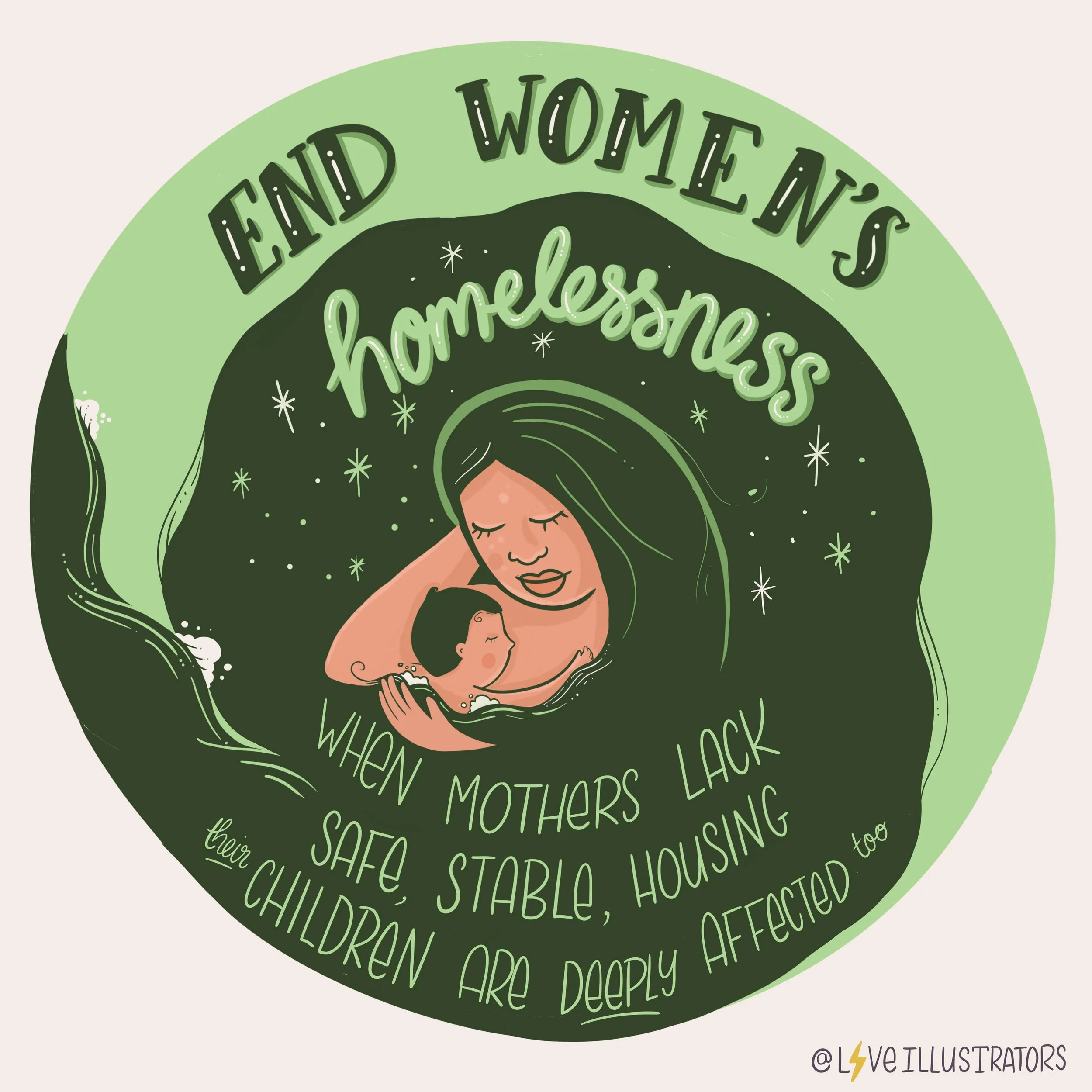
Our new research Children and Young People Experiencing Homelessness highlights the profound impact that housing instability among women, particularly mothers, is having on children across Aotearoa.
He taonga te mokopuna, kia whāngaia, kia tipu, kia rea.
A child is a treasure, to be nurtured, to grow, to flourish.
Last week we released our research Children and Young People Experiencing Homelessness which shows that 33,192 children in Aotearoa are living in severe housing deprivation. Māori and Pasifika children are disproportionately represented among them.
In December 2024, we released our research Ngā Ara ki te Kāinga Understanding Barriers and Solutions to Women’s Homelessness in Aotearoa which showed that women make up more than half of Aotearoa’s homeless population - 57,000 women, one-third of whom are Māori.
These figures are not separate. Our research shows that children’s homelessness and women’s homelessness are deeply interconnected - when mothers do not have access to safe, stable housing, their children are directly impacted.
Colonisation sits at the heart of why this is the case. When we’re asked why these inequities persist, our answer is always the same. We are clear that breaches of Te Tiriti o Waitangi continue to drive the poverty and exclusion that many wāhine Māori face.
As Harata Gibson of Ngāti Oneone told Te Ao Māori News last week - the loss of hapū land in Tūranganui-a-Kiwa in the Tairāwhiti region, was the beginning of the homelessness seen in the area today.
These structural forces are not historical alone - they are being felt right now by families across Aotearoa.
In Kaitaia, Rongopai House Community Trust executive officer Dino Houtas told the Northland Age that phone calls from mothers desperate for a place to stay are not uncommon.
“There just isn’t housing. We’ve had, unfortunately, on many instances, emergency phone calls, mums coming up and saying, ‘if I don’t get somewhere to live tonight, I’m going to have to go and sleep under the bridge with my children’,” he said.
These are not isolated experiences. They reflect the reality behind the 33,192 children and young people identified in this research who are:
equally spread across all age groups 0-17, which is a lot of homeless babies and toddlers
twice as likely not to be enrolled with a GP than their peers who have homes
1.6 x less likely to have attended preschool
2.6 x more likely to be hospitalised with a preventable disease or condition
twice as likely to be victims of crime and over 3x more likely to have experienced abuse or neglect
Dr Jo Cribb, who led this research, says the findings reflect a painful reality. She pointed out to Nadine Higgins on NZME’s TODAY show - “Babies can't be homeless; toddlers don't pay rent; it's their mums,” she said.
And that reality echoed throughout the week, as the experiences of children and young people facing severe housing deprivation entered the national conversation.
CEWH Project Director Vic Crockford reflected on the release of the research: “I couldn’t be prouder or more distressed,” she said.
What particularly struck her was seeing Children and Young People Experiencing Homelessness form the basis of The Post cartoon. “It is about as stark as it can be about the social conversations happening right now”, she said.
CEWH Kaihautū Dr Kathie Irwin told RNZ that the research findings are shocking. "New Zealand better be shocked because this is happening right now. So let's be shocked. And then let's do something about that," she said.
Kathie explained that homelessness is not accidental but is a result of long-term policy decisions. She said that people do not sit well with the idea that homelessness results from design features of our society at the structural level. “If it can be designed in, it can be designed out,” she said.
Children and Young People Experiencing Homelessness sets out calls to action:
1. Tiriti based gender dis-aggregated data;
2. A national strategy for women's homelessness; and,
3. Housing policy that is gender informed, so that it caters for the specific needs of homeless māmā which reaches their children.
We have an open letter setting out these calls to action - you can join us by signing and sharing.
Ngā mihi nui ki a koutou katoa, and to the thousands of New Zealanders who have engaged with our report by reading it, sharing it, discussing it, and following the kōrero that has unfolded, always with the children and young people and their mums at the heart of this work.
Ngā mihi nui to the MAS Foundation for their support through a Tūmatakāhuki Community Koha grant, to Dr Jo Cribb for her leadership, to Taylor Fry for undertaking this research, and to the League of Live Illustrators for their generous creative contribution to this kaupapa.
Nāku noa,
Kathie Irwin and Victoria Crockford
Kaihautū and Project Director
Coalition to End Women’s Homelessness
WAKA HUIA
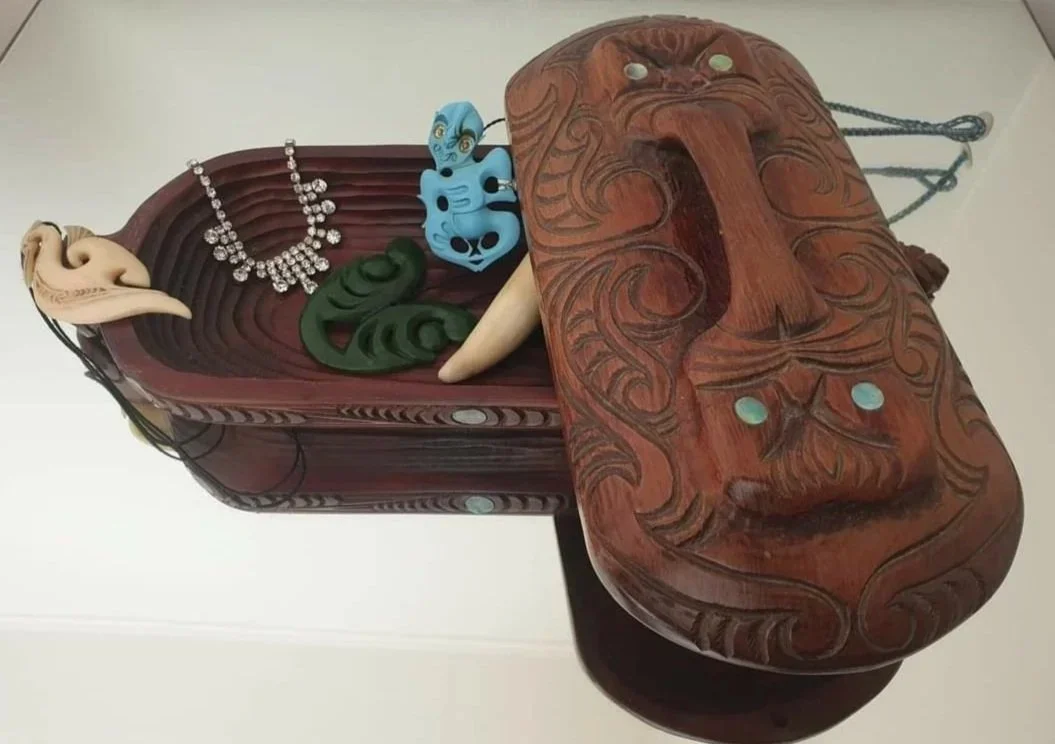
Kathie Irwin’s personal Waka Huia.
Join our next Lunchtime Learning webinar - Tīhei Wāhine Ora: Wāhine from Gang Whānau Healing Intergenerational Trauma
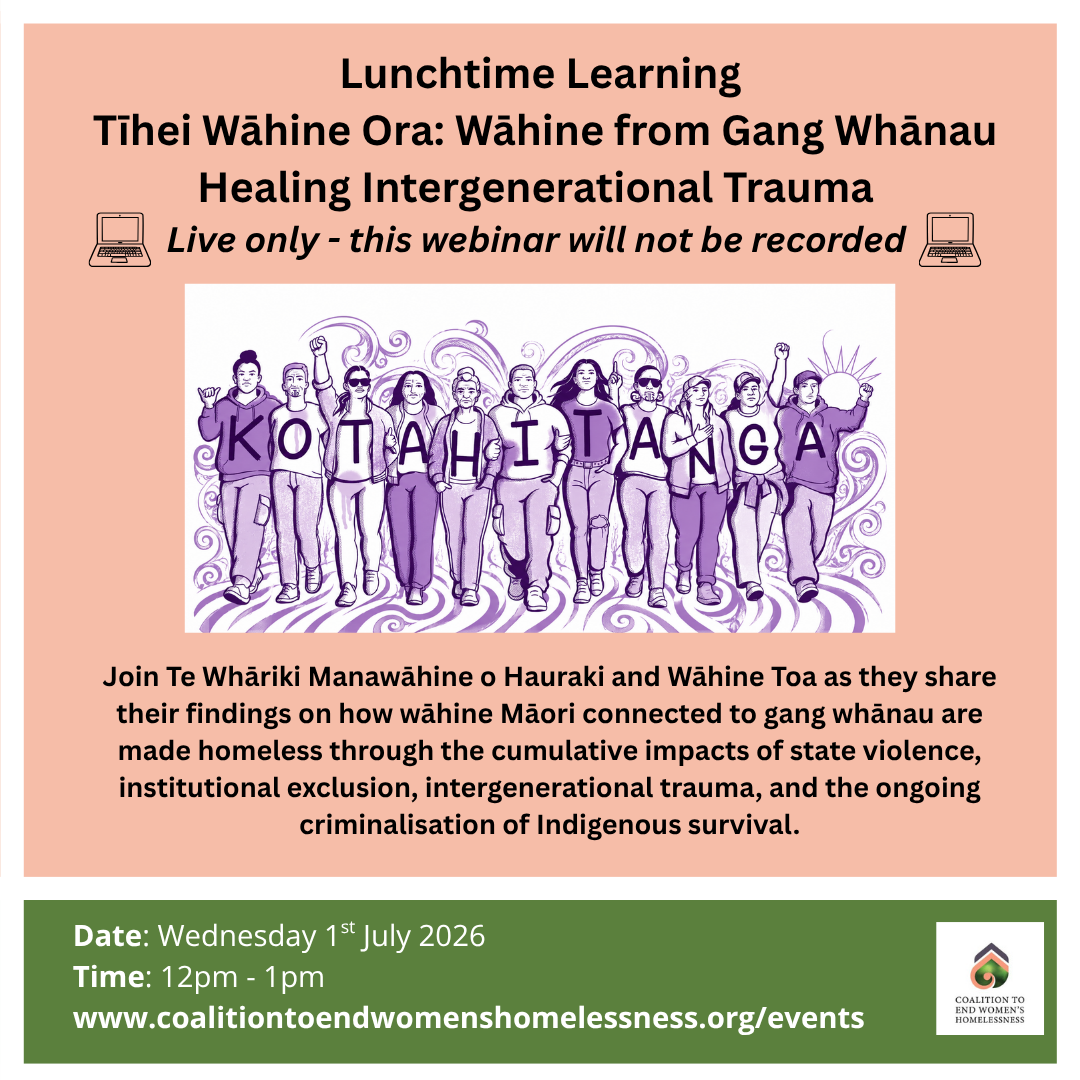
Hear from Te Whāriki Manawāhine o Hauraki and Wāhine Toa as they share their findings on how wāhine Māori connected to gang whānau are made homeless through the cumulative impacts of state violence, institutional exclusion, intergenerational trauma, and the ongoing criminalisation of Indigenous survival.
This presentation draws on findings from Tīhei Wāhine Ora, a research project that centred pūrākau shared by 20 wāhine Māori over two years in Aotearoa and across the Tasman.
📅 Date: Wednesday, 1 July 2026
🕛 Time: 12–1pm
💻 Online | Free | This webinar will not be recorded
🔗 Register here
Find out more about Te Whāriki Manawāhine o Hauraki here
Family Violence and Sexual Violence Advisory Group announced – Caroline Herewini appointed
The Minister for the Prevention of Family and Sexual Violence, Karen Chhour, has announced the establishment of a new Family Violence and Sexual Violence Ministerial Advisory Group to strengthen lived experience and frontline input into government decision-making.
The Minister for the Prevention of Family and Sexual Violence, Karen Chhour, has announced the establishment of a new Family Violence and Sexual Violence Ministerial Advisory Group to strengthen lived experience and frontline input into government decision-making.
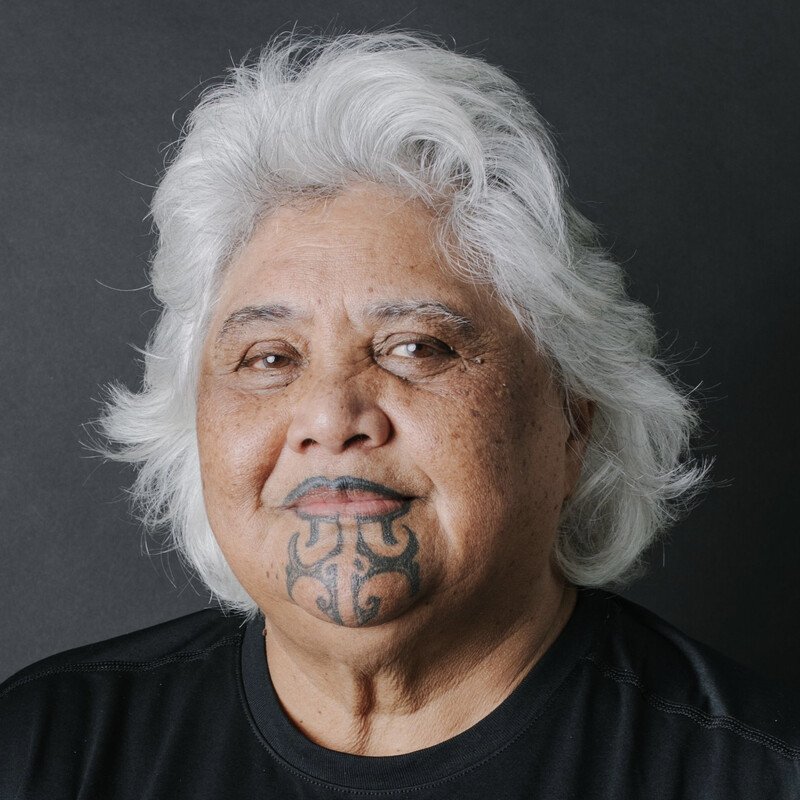
CEWH Steering Committee member Caroline Herewini (Ngāti Kahungunu, Ngāi Tūhoe), Kaiwhakahaere of Te Whare Tiaki Wāhine Refuge, has been appointed to the advisory group.
Caroline brings extensive experience in trauma-informed kaupapa Māori services, including crisis intervention, emergency housing, and long-term support for wāhine Māori and their whānau. CEWH acknowledges the significant responsibility carried by those working at the frontline of family violence and sexual violence prevention in Aotearoa.
Whakawhanaungatanga in Tairāwhiti: Dr Kathie Irwin on taking child homelessness research home
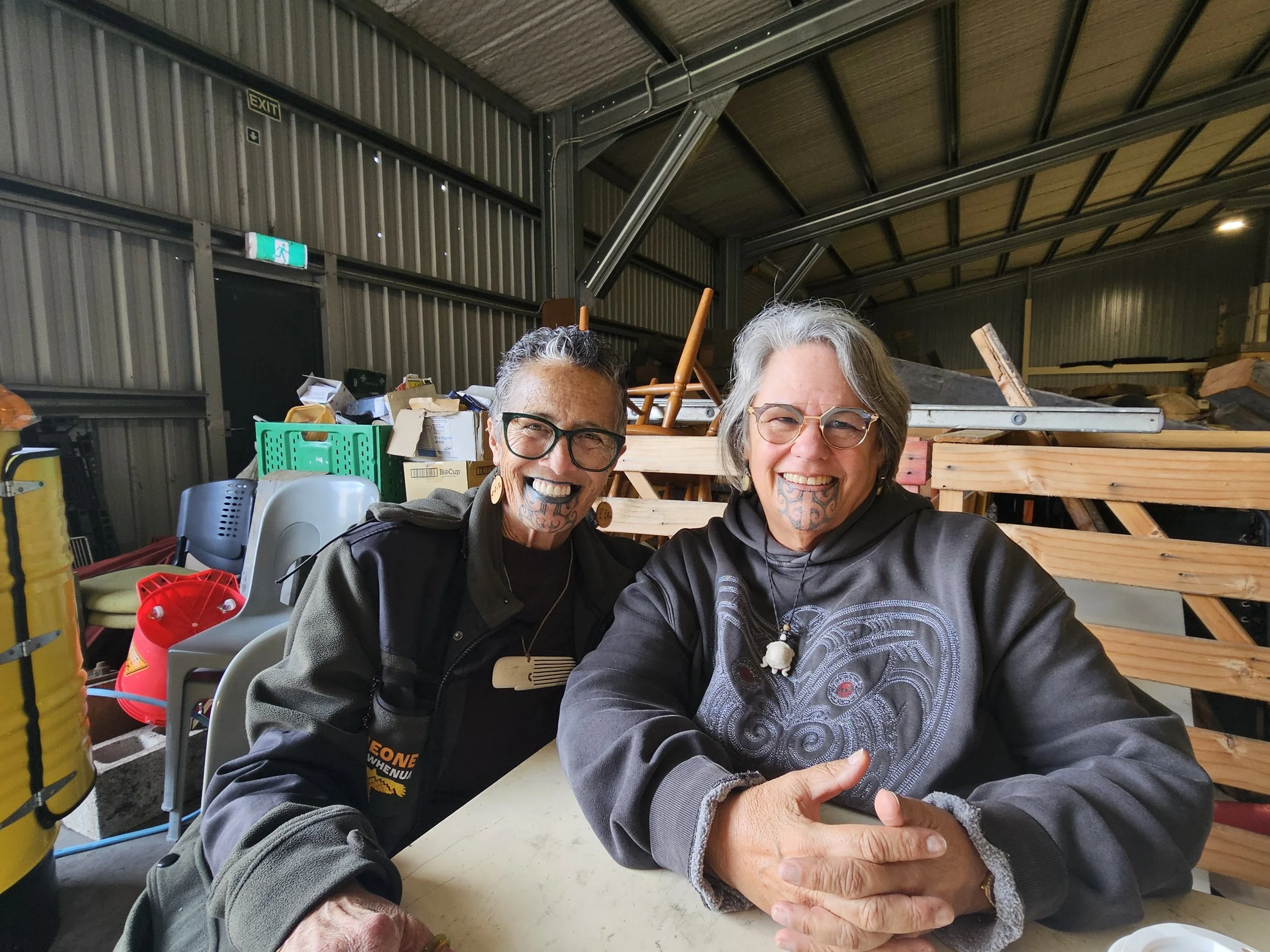
In this powerful reflection, CEWH Kaihautū Dr Kathie Irwin shares what it meant to return home to Tairāwhiti/Gisborne to brief wāhine Māori iwi leaders on our new research Children and Young People Experiencing Homelessness.
The research shows young people experiencing homelessness are disproportionately represented in Gisborne, Auckland and Northland.
But as Kathie reflects, the challenge was not only the data itself, but how it was shared, and with whom:
“My stomach dropped when I realised that Gisborne was one of the areas our new research highlighted and that I would need to front the embargoed briefings and ensure our Tairāwhiti wāhine had a chance to consider the research early.”
She reflects on the responsibility of ensuring research is shared in ways that honour relationship-first engagement, local context, and historical realities - particularly in regions where CEWH is not yet deeply embedded on the ground.
“We run the risk of appearing to behave like the dreaded seagulls… who fly overhead, drop buckets of sh#t and fly away, taking no responsibility for the impact of the drop or the clean up afterwards.”
Kathie’s blog also explores the importance of context in interpreting data, including regional demographics, climate impacts, and long-standing structural inequities, alongside the strength of Māori cultural infrastructure and wāhine Māori leadership in Te Tairāwhiti.
Kathie concludes that research like this must be shared “softly in context” - grounded in history, structure, and Te Tiriti o Waitangi, and alongside the solutions already being led locally:
“People are on the ground actively mobilizing to build the futures they want for their region and people. And that includes ending women and children's homelessness.”
📖 Read Kathie’s full reflection here: Whakawhanaungatanga in Tairāwhiti: Dr Kathie Irwin on taking child homelessness research home
Pay equity complaint lodged with United Nations
Last month, a group of organisations formally lodged a complaint with the United Nations over the New Zealand Government’s changes to the pay equity scheme announced last year.
CEWH Kaihautū Dr Kathie Irwin attended the Wellington event marking the filing of the complaint.
The New Zealand Council of Trade Unions and Te Kāhui Tika Tangata Human Rights Commission are among those asking the UN Committee on the Elimination of Discrimination against Women (CEDAW) to investigate whether the reforms amount to systemic discrimination against women.
The complaint relates to the Government’s changes to pay equity legislation, which resulted in the cancellation of existing claims affecting around 180,000 workers, the majority of whom are women in female-dominated sectors including care, education, health, and community services.
Tihei mana wāhine.
Mana Wāhine kaupapa advances with launch of Mana Wāhine Foundation and Wai 2700 Mana Wāhine Kaupapa Inquiry hearings
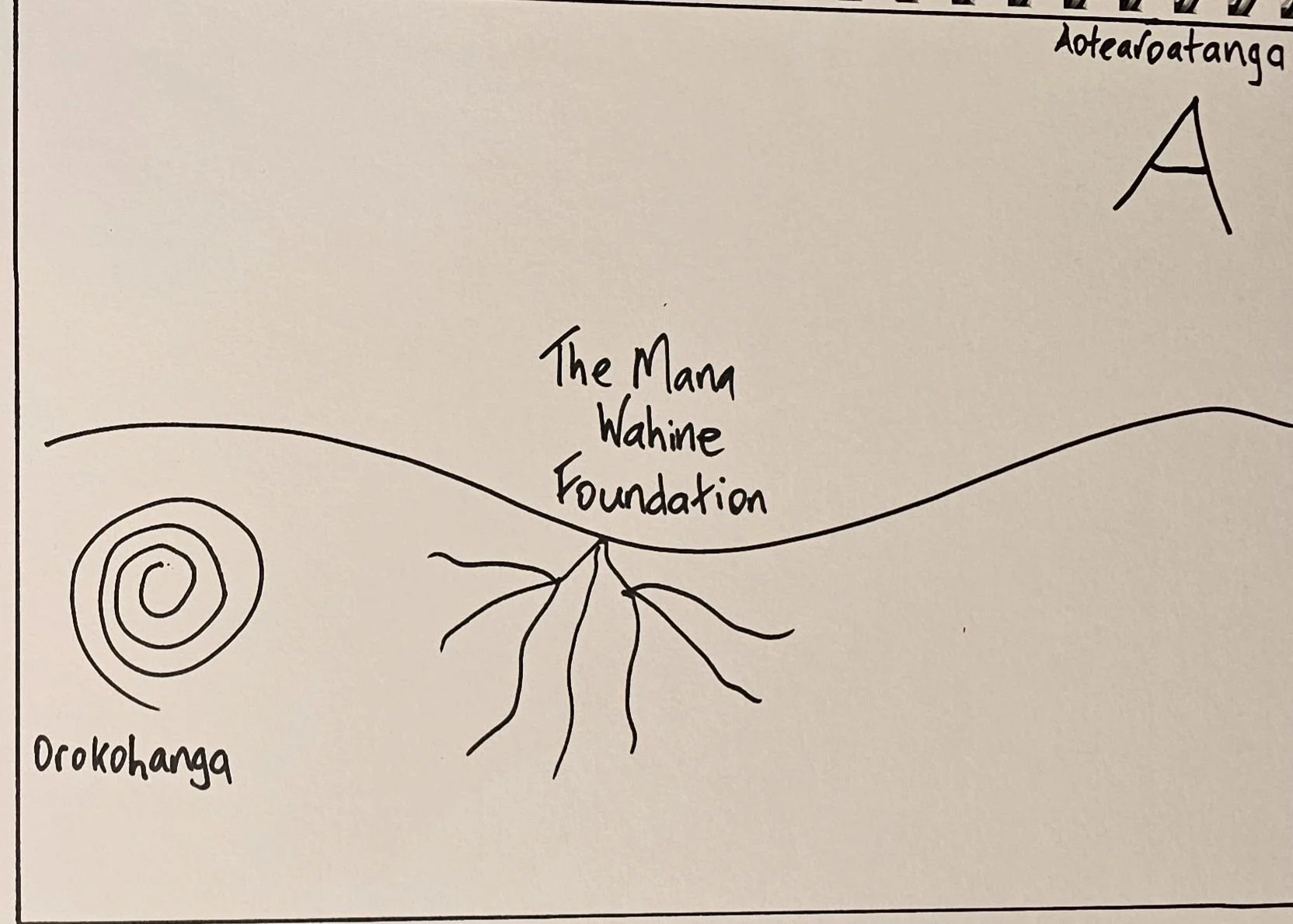
CEWH Kaihautū Dr Kathie Irwin has announced the registration of the Mana Wāhine Foundation by the Charities Commission on 21 April. Congratulations to Kathie on this important milestone in advancing Māori-led research focused on wāhine Māori.
Kathie has outlined an immediate focus for the year one research programme, centred on three key 2026 projects:
The BIG 2026 Report on Wāhine Māori, taking an integrated, joined-up services approach to understanding outcomes and experiences
What does retirement look like for wāhine Māori in 2026?
The Biography of Dame Areta Koopu
Dame Areta Koopu, inaugural Patroness of the Mana Wāhine Foundation and Director of Māori Women’s Development Inc (MWDI), brings significant leadership and legacy to the kaupapa.
Kathie also attended the Wai 2700 Mana Wāhine Kaupapa Inquiry hearings, describing it as a meaningful opportunity to reconnect with colleagues and kaupapa she has long been involved in. She reflected on a sense of continuity and return, having previously served for two years as Deputy Chair of the Wai 2700 Joint Claimants Research Committee.
Kathie described the work as encompassing “a number of significant kaupapa. Big dreaming, heavy lifting, heartening collaborations.”
Community Housing Aotearoa’s Insight Report – Homelessness and Housing Insecurity Edition
CEWH was invited to contribute to CHA’s Insight Report Edition 4 on Homelessness and Housing Insecurity, which brings together sector leaders, practitioners and people with lived experience to explore the drivers of homelessness and the urgent responses needed.
Through interviews with CEWH Kaihautū, Dr Kathie Irwin, and Project Director, Vic Crockford, CEWH shared insights into the often invisible reality of women’s homelessness, the disproportionate impacts on wāhine Māori, and how structural inequalities continue to drive housing insecurity across generations. Their interviews highlight the urgent need for system change and policy responses that recognise women’s homelessness as a crisis in its own right.
Te Tira Whakahaere CEWH Steering Group members Helen Robinson, Manutaki/CEO, Te Tāpui Atawhai Auckland City Mission, and Jill Hawkey, CEO, Christchurch Methodist Mission, were also interviewed for this edition. Women’s homelessness was woven throughout the report, highlighting both the scale of the issue and the need for coordinated responses across the housing, health and social sectors.
The edition also included key policy recommendations and featured a link to the CEWH Policy Briefing to End Women’s Homelessness in Aotearoa.
Read and listen to the interviews here
Single Older Women’s Hui – Selwyn Foundation
The Proposed Five-Year Impact Strategy for Single Older Women Experiencing, or at Risk of, Multi-Domain Disadvantage, researched and written by Dr Emma Saunders, was workshopped at an engaging and interactive wānanga organised by Denise Cosgrove of The Selwyn Foundation.
CEWH representatives Dr Kathie Irwin, Vic Crockford and Jill Hawkey attended, joining others to wānanga on key issues impacting older women.
The strategy is an important piece of work, drawing on a wide range of research and sitting at the intersection of organisations working with older people, women, and those experiencing multi-domain disadvantage, creating a strong platform for collaborative action going forward.
Find out more here.
Kathie Irwin in Melbourne for Women Deliver 2026
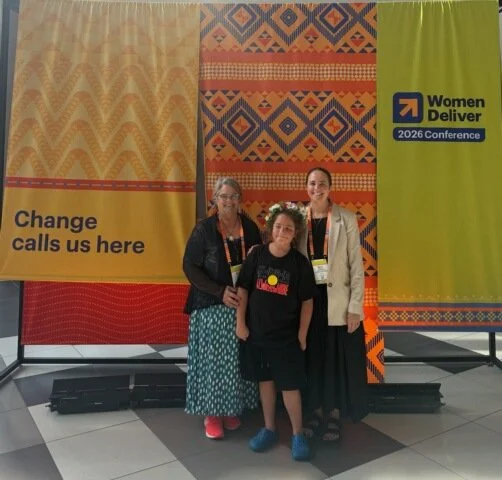
Our Kaihautū, Kathie, attended Women Deliver 2026 with her whānau - her daughter Horiana Irwin-Easthope, Founder and Partner of Whāia Legal, and her mokopuna Ropata.
Women Deliver 2026 is an international conference which was held in Naarm | Greater Melbourne, in late April.
For the first time, the conference had a strong Indigenous theme.
WD2026 aimed to:
elevate feminist and youth-led leadership in the face of growing anti-rights movements
mobilise bold, intersectional policies that challenge systems of oppression
reclaim narratives from those seeking to roll back progress
strengthen transnational feminist movements to hold governments accountable
As part of the programme, Kathie delivered an address at The University of Melbourne Indigenous Studies Centre, at the invitation of Associate Professor Jessa Rogers (School of Education).
The presentation, titled “Pūrākau, Praxis and Paradigm Changing”, concluded with a section on the work of the Coalition to End Women’s Homelessness, the Papatūānuku Paradigm, and the development of Communities of Practice across sites including The Auckland City Mission, Te Whare Tiaki Wahine Refuge in Porirua, and Te Taiwhenua o Heretaunga.
POLICY AND POLITICAL INSIGHTS
Social housing reform must not deepen existing barriers or cause further harm for women
The Government’s Review of Social Housing has triggered widespread concern from community advocates.
CEWH research, Ngā Ara ki te Kāinga: Understanding Barriers and Solutions to Women’s Homelessness in Aotearoa, highlights the urgent need for targeted, gendered and Te Tiriti-based policy responses that recognise the full range of housing barriers experienced by women in Aotearoa, with a focus on redress for wāhine Māori.
CEWH warns that the shifts outlined by the Government may further limit access to social housing for women already facing significant barriers.
Read our statement here.
Budget 2026
Budget 2026 held little in the way of promise or opportunity for women’s homelessness, with new capital for housing coming via the Flexible Fund in 2028 and no further funding to emergency accommodation or transitional housing. For those working in Māori housing, whilst Māori broadcasting benefitted in this year’s Budget, Te Puni Kōkiri’s budget has been cut by $23.6 million as part of operational savings.
Our focus is on what happens next with the social housing reform to ensure any changes to tenure won’t cause more harm or precarity for women and whānau.
Submissions on the Data and Statistics (Census) Amendment Bill
Submissions on the Data and Statistics (Census) Amendment Bill have been heard by the Justice Select Committee approximately, with submitters outlining concerns and positions on proposed changes to New Zealand’s census and official data system.
CEWH says that without a Te Tiriti-informed, gendered lens, women’s homelessness - and particularly wāhine Māori - will remain largely invisible within housing policy settings.
In the absence of other robust, gender-disaggregated housing data, Census data remains critical. CEWH warns that shifting away from the traditional Census approach and relying primarily on incomplete administrative datasets risks producing misleading statistics that obscure the true scale and nature of homelessness in Aotearoa, further reducing the visibility of wāhine Māori within the data system.
Read our submission here.
He iti te mokoroa, nāna i kati te kahikatea
The grub may be small, but it cuts through the kahikatea
Vic, Kathie, Amanda, Ellie, Helen, Jo, Caroline, and Jill
